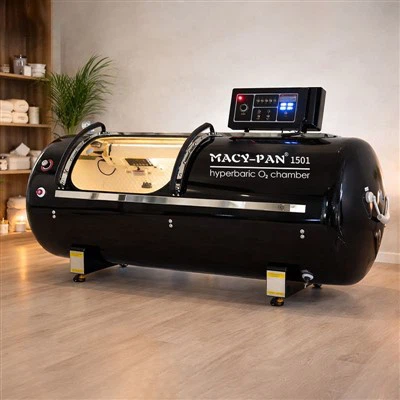
Hyperbaric oxygen therapy is suitable for the following conditions: poisoning by harmful gases such as carbon monoxide, hydrogen sulfide, and biogas; cerebral thrombosis, cerebral hemorrhage, traumatic brain injury, neuritis; vasculitis, diabetic gangrene, and slow-healing ulcers; fetal maldevelopment and neonatal asphyxia; acute air embolism, decompression sickness, altitude sickness; sudden deafness, Meniere's syndrome, and vertigo. Compared to regular oxygen therapy, hyperbaric oxygen therapy is more potent and effective, directly addressing hypoxia by utilizing oxygen levels. It also has antibacterial effects.
Treatment of Carbon Monoxide Poisoning: Inhaled carbon monoxide binds to red blood cells, displacing their ability to transport oxygen. Humans normally rely on oxygen for survival, but carbon monoxide replaces oxygen in the body during carbon monoxide poisoning, leading to hypoxia. The brain is the most oxygen-dependent organ, and the symptoms of carbon monoxide poisoning are neurological manifestations. Mild symptoms include dizziness, headache, nausea, vomiting, and weakness, while severe symptoms include coma. All these are related to cerebral hypoxia. Carbon monoxide binds to red blood cells more strongly than oxygen. When a carbon monoxide poisoning patient is placed in fresh air, the elimination of the poisoning takes 10-20 hours because atmospheric oxygen only accounts for 1/5 of the air. However, when a carbon monoxide poisoning patient is placed in a hyperbaric oxygen chamber, the amount of oxygen inhaled is far greater than that in the air. Many severely poisoned patients regain consciousness before the treatment is finished, and their symptoms can be relieved within 40-50 minutes.
Treatment of Cerebral Thrombosis: The benefit of hyperbaric oxygen therapy is that it supplies blood to the lesion area from surrounding normal brain tissue. Reverse bleeding and reflux: When vasodilators are administered to patients with cerebral thrombosis, normal brain tissue cells respond sensitively to the drugs, while the response in the lesion area is less sensitive, and the blood vessels do not dilate. Blood flows through the normal brain tissue (the dilated areas) instead of the lesion area; this phenomenon is called reverse bleeding. Hyperbaric oxygen therapy has a reverse bleeding effect.