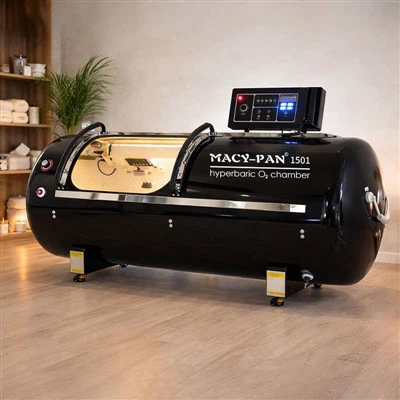
Hyperbaric oxygen therapy is generally not recommended for healthy individuals unless there is a specific medical need or they are in certain special circumstances. Hyperbaric oxygen therapy is primarily used to treat carbon monoxide poisoning, decompression sickness, gas gangrene, radiation-induced tissue damage, and slow-healing wounds; it is a strictly medical procedure.
For healthy individuals without clear indications, routine hyperbaric oxygen therapy lacks medical basis and carries potential risks. The pressure inside a hyperbaric chamber is higher than atmospheric pressure. Inhaling high concentrations of oxygen can cause barotrauma to the middle ear or sinuses, manifesting as ear pain, tinnitus, or even tympanic membrane perforation. Excessively high oxygen partial pressure can also induce oxygen toxicity; the neurological form can lead to seizures, while the pulmonary form can cause lung inflammation and fibrosis. Prolonged exposure to high concentrations of oxygen may also promote the generation of free radicals in the body, theoretically raising concerns about accelerated tissue aging. The risks of hyperbaric oxygen therapy are further increased for individuals with uncontrolled febrile illnesses, certain lung diseases such as bullae, or claustrophobia. From a resource perspective, hyperbaric oxygen chambers are important medical equipment and should be prioritized for patients with clear treatment needs. It is unreasonable for healthy people to occupy this resource.