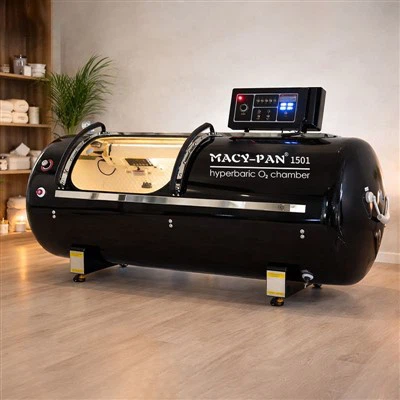
All patients requiring hyperbaric oxygen therapy must undergo an examination by a hyperbaric oxygen specialist before treatment to confirm the absence of contraindications.
Patient education should be provided, teaching them the proper inflator and pressure adjustment techniques to prevent ear pain during pressurization and ensure their cooperation during treatment.
Patients and caregivers are strictly prohibited from bringing any sources of ignition, flammable or explosive materials, volatile substances, or electronic toys into the chamber to prevent fires. Explain that watches may cause mechanical damage or inaccurate timekeeping, and pens may cause ink spills.
Due to the extended duration of the treatment (approximately 2 hours), patients and caregivers are advised to empty their bladder and bowels before entering the chamber and to avoid eating excessively or consuming foods that cause bloating, such as milk, soy milk, potatoes, radishes, and leeks.
A locker is provided, and oxygen therapy supplies are for individual use only. Assist patients in properly storing their treatment supplies, providing them with hospital gowns and locker keys for easy turnover and management. Sixth: Patients should be instructed to contact their doctor or nurse immediately if they experience any special circumstances. Entry into the hyperbaric chamber is only permitted after a proper diagnosis and treatment. Patients with colds should rest for several days until symptoms subside before entering the chamber; otherwise, the Eustachian tubes may not open, affecting pressure adjustment and causing ear pain.
Before entering the hyperbaric chamber, critically ill patients must have their vital signs checked. All tubing must be secured and kept patent. All resuscitation equipment and supplies must be prepared. Oxygen tubing and expiratory tubing must be connected to the patient. Oxygen resistance must be checked and adjusted as needed. Patients with critical conditions, those requiring resuscitation from a coma, those on mechanical ventilation, those receiving intravenous fluids or tracheotomies requiring medical care within the chamber, the elderly, children, those with relative contraindications to hyperbaric oxygen therapy, those unable to care for themselves, agitated patients, patients entering the chamber on stretchers or in wheelchairs, and other special circumstances must be accompanied by medical staff and family members to prevent accidents.
Personnel entering the pure oxygen chamber must remove their underwear, change into pure cotton clothing, and be covered with pure cotton bedding. Patients' own clothing is strictly prohibited inside the chamber. Infants may bring a pure cotton (paper) diaper and a baby bottle (or bottle of water). No other items are allowed. All personnel entering the pure oxygen chamber must wear a pure cotton work cap covering all hair. Combing hair or other actions that may cause static electricity are strictly prohibited inside the chamber. Strict adherence to indications is required; critically ill or agitated patients are not suitable for treatment in the pure oxygen chamber. The operator must strictly adhere to the treatment plan, constantly monitor changes in the patient's condition through the observation window, and promptly report and address any abnormalities.